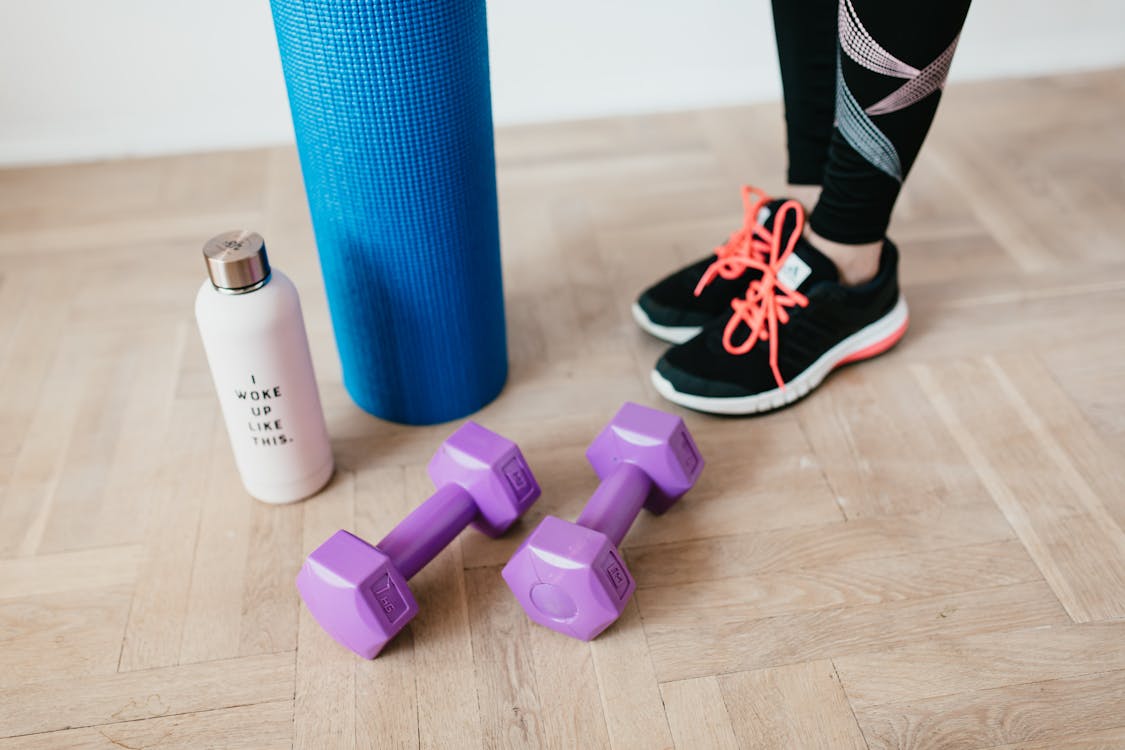
For decades, the rule of "no discomfort, no gain" resembled throughout health clubs and locker spaces. The emphasis was everything about pressing harder, raising much heavier, and running faster. However in recent years, a shift has been quietly improving the fitness landscape. Healing has actually entered the limelight, not as an afterthought, however as an essential component of efficiency and general health. This isn't just about sleeping much more or taking a time off. Recovery has actually advanced right into a structured, science-backed method that is being accepted by elite professional athletes, weekend warriors, and everyday fitness fanatics alike.
What's altered is our understanding of exactly how the body replies to stress and anxiety. Exercise, nevertheless, is a controlled kind of tension. It challenges muscular tissues, joints, and cardiovascular systems. Without ample recuperation, nonetheless, the body does not have the chance to restore and reinforce. Rather than adapting, it breaks down. That's where the concept of "rest as the brand-new exercise" gets momentum. Healing isn't negligence. It's technique.
The Science of Getting Stronger While Doing Less
There's an interesting fact that commonly goes unspoken in training circles. The majority of gains in strength, speed, and endurance occur not throughout the workout itself, but during the time after. When we relax, we fix. Muscle mass rebuild more powerful fibers. The nerve system rectifies. Hormone balances are restored. This is when the magic happens. Yet, a lot of people neglect this essential window, jumping from one workout to the next without offering their body time to totally gain from the work they've already done.
Today, more individuals are understanding that skipping rest is actually skipping outcomes. Overtraining can result in tiredness, irritation, and also injury. By weaving organized recuperation right into a training regimen, the risk of burnout is lowered, and the path to long-term development ends up being much clearer.
Active Recovery: Movement With Purpose
Rest doesn't always mean not doing anything. In fact, energetic recuperation has actually become one of the most prominent ways to increase recovery and lower soreness. Activities such as light strolling, yoga exercise, or mobility-focused workouts aid improve blood circulation, lower inflammation, and maintain the body limber without including strain. These low-intensity sessions aid bridge the gap between tough training days, offering both mind and muscular tissues an opportunity to reenergize.
In scientific setups, approaches like chiropractic trigger point injections are being made use of to take care of tight muscle groups and release built-up stress. These therapies target specific areas where stress builds up, helping the body function more openly while additionally boosting blood circulation and series of activity. This method blends the best of modern-day scientific research and motion treatment, and it's helping redefine exactly how we view "rest" in a health and fitness routine.
Technology's Role in Recovery Innovation
As healing gains prestige, so as well has the innovation sustaining it. Wearable devices currently keep an eye on heart price variability, rest patterns, and stress and anxiety feedbacks to give insight into just how well somebody is recovering. But beyond the gizmos and information, there are additionally developments in healing treatments that focus particularly on healing and restoration.
One such approach is medical laser treatment, which uses focused light power to stimulate tissue repair service, reduce inflammation, and speed up the healing procedure. This technique has actually been used in both sporting activities medicine and persistent discomfort administration, offering a non-invasive way to sustain the body's natural recovery systems. Its effectiveness has made it a useful tool for those who wish to preserve peak performance while minimizing downtime.
Moving the Mindset: Rest Without Guilt
For some, particularly those deeply ingrained in hustle society, reducing can really feel disadvantageous. However reframing remainder as an active part of progress transforms the whole perspective. The psychological benefits of remainder are just as significant as the physical ones. Recovery days aid control state of mind, improve emphasis, and minimize the mental fatigue that can thwart long-lasting goals.
When people start to view remainder as purposeful rather than passive, they begin to experience a new degree of power and motivation. It's no more regarding "gaining" rest days via punishment, yet about incorporating them right into the rhythm of training as a form of self-regard. This change can be among the most empowering adjustments a person makes in their health and wellness trip.
Recovery Isn't Just for Athletes Anymore
The principles of recuperation aren't booked for high-performing athletes or those recuperating from injury. They're equally as important for office workers with pain check out here in the back, parents managing day-to-day duties, or any person navigating physical or psychological stress. The increase of recuperation has actually equalized the discussion around rest, turning it into something that everybody can take advantage of-- regardless of age, physical fitness degree, or way of life.
Services customized to holistic health, such as sports orthopedic and spine support, are assisting more people stop injury and manage persistent conditions via a recovery-focused lens. Whether it's treating joint disorder, addressing spine positioning, or sustaining tissue repair work, the integration of healing right into medical care is developing a more aggressive design of treatment that urges avoidance over reaction.
Embracing the New Era of Fitness
As we remain to recognize the body's reaction to stress and anxiety and movement, it becomes clear that doing a lot more isn't always the answer. Occasionally, the smartest thing you can do is listen, reduce, and allow your body catch up. Recovery is no longer a side note. It's the core method that's boosting health outcomes and redefining what it indicates to be solid.
If you've been pressing continuous, possibly it's time to reassess your rhythm. The future of fitness isn't just about how difficult you train-- it's regarding exactly how well you recuperate. Comply with the blog for more insights on health, wellness, and the evolving world of performance scientific research. There's even more to discover, and your body will certainly thanks for it.